

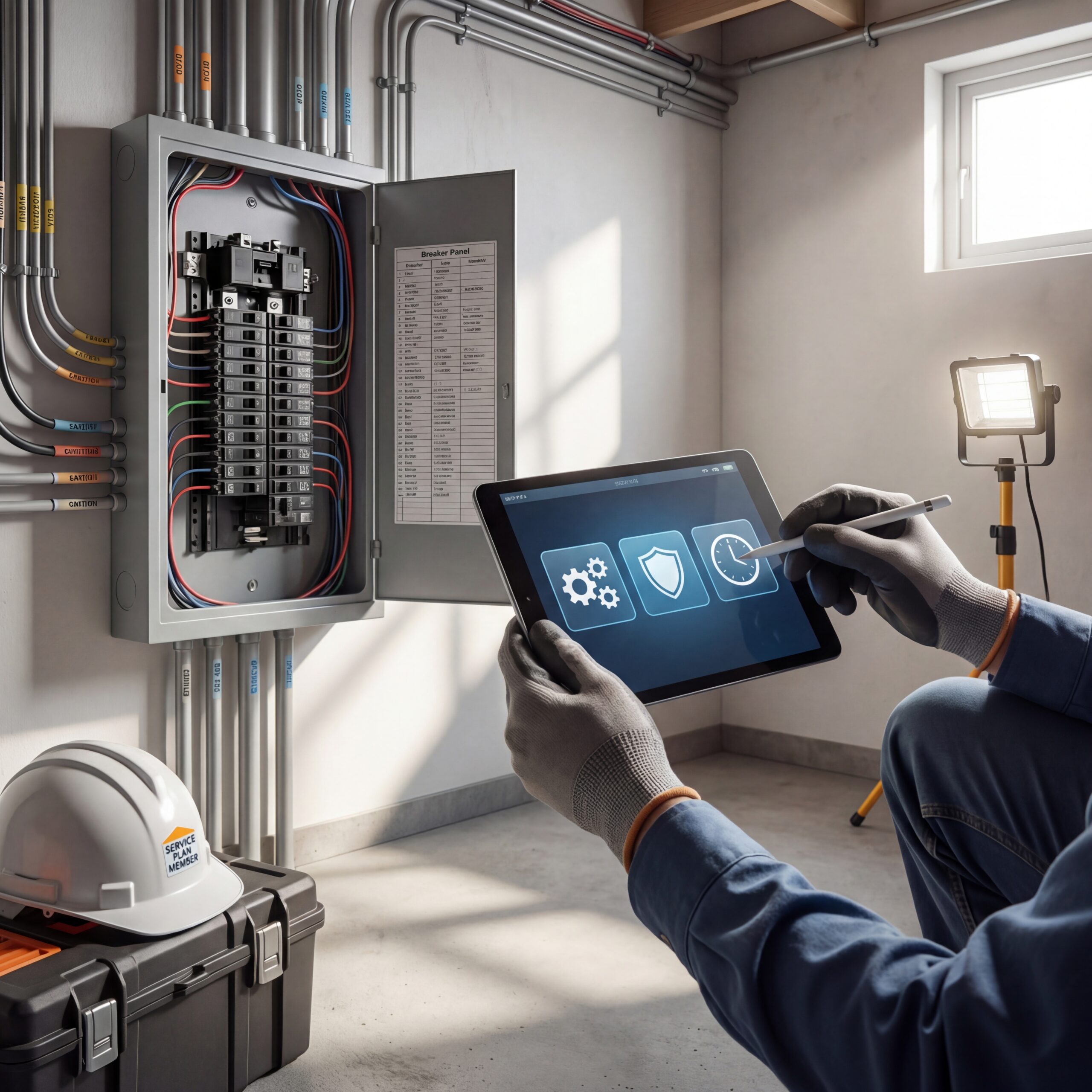
Planning Electrical Service Levels That Actually Match Your Risk
Every electrical system slowly wears down, even when the lights still turn on and the outlets still work. Connections loosen with temperature changes, insulation ages, and loads on your panel increase as you add new equipment. The question is not whether issues will appear, but whether you will catch them during a low-cost inspection or pay for them during a high-stress emergency. That is where structured electrical service and inspection plans come in, offering different levels of coverage, response time, and documentation. Comparing those levels clearly helps you decide which option protects your property, budget, and peace of mind.
Property owners often focus only on the price of a single service call, instead of the lifetime cost of their electrical system. A one-time repair might look cheaper than a routine inspection plan, until a preventable failure shuts down your business or damages sensitive equipment. Each step up in service level usually adds predictable costs but removes a layer of risk, from tripped breakers all the way to potential fire hazards. By aligning your plan with how critical your power is, you avoid both overspending on unnecessary coverage and underinvesting in safety. The goal is to turn electrical service from a reactive expense into a planned, manageable line item.
Routine Inspections vs. Emergency Fixes: The Cost Equation
Emergency electrical calls are the most visible cost, because they arrive with flashing urgency and unplanned downtime. You might face higher after-hours rates, rush parts, overtime labor, and possibly damage to appliances or production equipment. In contrast, routine inspection visits are scheduled, controlled, and predictable in price, even if they feel less urgent in the moment. They focus on tightening terminations, testing breakers, checking GFCI and AFCI devices, and identifying overloaded circuits before they fail. Over a year or more, these smaller investments often cost less than a single major outage.
Think of emergency-only service as paying penalties instead of premiums. You save a little now but accept more surprises later, along with the stress that comes when power fails at the worst possible time. Inspection-based plans spread the cost across the year and give your electrician time to plan repairs during normal hours. For businesses, that can mean scheduling work during off-peak times, avoiding lost revenue and upset customers. Even for homeowners, the value shows up as fewer spoiled groceries, fewer ruined electronics, and fewer late-night visits from an electrician.
Basic Annual Electrical Safety Check: Lowest Cost, Targeted Protection
A basic annual safety check is usually the entry-level service plan and the most budget-friendly option. In most setups, your electrician visits once a year to visually inspect the panel, test a sample of receptacles, review GFCI and AFCI operation, and look for obvious signs of overheating or damage. This level of service targets major safety problems, such as loose main lugs, outdated breakers, or compromised wiring in accessible areas. It does not usually include deeper diagnostic testing, detailed load studies, or guaranteed response times for future issues. For smaller homes or low-demand spaces, this can offer a solid baseline of protection at modest cost.
The main advantage of this plan is affordability, making it attractive for owners who want to meet basic safety expectations and maintain insurance or code compliance. However, the trade-off is that many developing issues may go unnoticed between annual visits, especially in systems with heavy or fluctuating loads. If you add new equipment or remodel during the year, the original inspection no longer reflects your true usage. This level is often best for newer installations with stable demand and no history of nuisance tripping or overheating. When your building or equipment is more complex, a more involved maintenance plan usually delivers better value.
Standard Preventive Maintenance Plans: Balancing Price and Performance
Standard preventive maintenance plans step beyond a simple annual check and add more frequent visits or more detailed testing. Electricians may perform infrared scans of panels to spot hot spots, torque-check critical terminations, test more circuits, and document loading on key feeders. These plans often include prioritized but not necessarily emergency-level response for reported issues during the year. The goal is to actively manage wear and tear before it reaches a critical point, rather than simply verifying that nothing appears obviously unsafe. For many light commercial buildings and larger homes, this becomes the sweet spot between cost and reliability.
The added cost compared with a basic safety check usually buys you more data and fewer surprises. With trend reports from repeated visits, your contractor can suggest targeted upgrades, such as panel capacity increases, dedicated circuits for large appliances, or replacement of aging breakers. That means you can plan electrical work in your annual budget instead of reacting under pressure. Businesses see the benefit in fewer breaker trips, more stable equipment operation, and improved confidence when adding new loads. Over time, the savings often show up not only in avoided outages, but also in longer lifespans for motors, lighting, and control systems.
Premium Priority Service Agreements: Paying for Uptime and Convenience
Premium plans are designed for customers who cannot afford extended downtime, such as restaurants, medical offices, small manufacturing plants, or critical home-based operations. These agreements usually bundle scheduled preventive maintenance with priority scheduling, guaranteed response windows, and sometimes discounted labor rates for additional work. The electrical contractor treats your facility as a high-priority client, reserving resources to respond quickly when you call. You may also receive more detailed documentation for audits, insurance requirements, or regulatory compliance. While the monthly or annual fee is higher, the real product you are buying is guaranteed access to skilled technicians when every minute counts.
The financial logic behind premium coverage depends on the cost of interruption to your operations or household. If a few hours without power means lost inventory, missed appointments, or interrupted production, the math often favors a higher service level. Instead of scrambling to find an available electrician during a storm or peak demand period, you move to the front of the line. The planned inspections built into these agreements further reduce the likelihood of emergencies in the first place. For many organizations, the combination of faster response and quieter, issue-free operation justifies the added upfront expense.
Custom Plans for Commercial and Multi-Unit Properties
Larger commercial buildings, multi-tenant facilities, and industrial sites often require custom service plans that go beyond standard residential-style tiers. These may bundle in quarterly or monthly inspections, coordination with building management systems, and testing of backup power, transfer switches, and life-safety circuits. The electrical contractor may map loads across multiple panels, track changes in tenant usage, and perform more frequent infrared and megger testing. In some cases, the plan can be aligned with production schedules or tenant turnover to minimize disruption. While the cost is higher than a simple annual visit, the scale of the property means small improvements can prevent large, building-wide issues.
These custom agreements typically offer flexible pricing structures, such as per-panel, per-unit, or full-campus coverage. Building owners gain a clear maintenance roadmap and a single point of contact for electrical concerns, instead of juggling multiple vendors and ad hoc repairs. That can simplify budgeting, since planned maintenance and capital improvements are identified early. Tenants benefit from fewer outages, better lighting performance, and more reliable common-area systems. For properties where reputation and occupant satisfaction drive revenue, this level of electrical service becomes part of a broader asset management strategy.
Choosing the Right Level of Service for Your Building
Selecting the right electrical service and inspection plan starts with an honest look at your risk tolerance and operational needs. Consider how critical power is to your daily activity, how old your wiring and panel equipment are, and whether you have a history of tripping breakers or hot outlets. Newer, low-demand homes may do well with a basic annual safety check, while growing businesses and older buildings usually benefit from preventive maintenance or premium coverage. It also helps to review insurance requirements or local regulations that may expect documented inspections. Sharing this information with your electrical contractor lets them recommend a plan instead of simply selling the most expensive option.
From there, compare not only the upfront cost but also the potential savings in avoided downtime, reduced equipment damage, and smoother expansion plans. Ask what is included in each tier, such as report detail, testing methods, response times, and discounts on additional work. A transparent contractor will outline where you can safely economize and where cutting corners would raise risk. In the end, the best electrical service plan is the one that keeps your system safe, reliable, and adaptable without straining your budget. When you strike that balance, electrical maintenance stops being a guess and becomes a strategic investment in your property’s long-term performance.